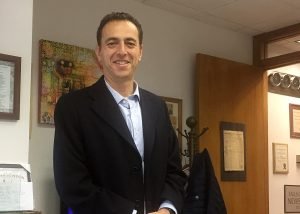
The Falls Church City Council reached a consensus of all but one of its seven members at its work session this Monday night to drop the real estate tax rate by a half-penny, slightly below the recommendation of City Manager Wyatt Shields, who advocated for no change.
But, led by Mayor Letty Hardi, the solid majority favored the largely symbolic minor reduction that will save taxpayers just over $50 on average, due to the over 8 percent average increase in single family home assessments that will hike actual bills for the coming fiscal year by an average of $611.
Given the higher assessments, due to the relatively greater rise in the City’s real estate values, the owner of an average Falls Church City single family home – the average now at $1,022.000 – will be paying over $12,000 annually in real estate taxes.
But the City’s overall economic performance is the strongest in the region (outside of Loudoun County that is enjoying major revenue windfalls from its booming data center industry). This includes significant new revenue added to the projections for the coming fiscal year due to strong retail and restaurant performance that added $711,000 to the estimated total income for this budget, which will be officially adopted this coming Monday night at the May 11 City Council meeting.
By contrast, Arlington County’s board last week voted a two cent increase in its real estate tax rate, raising it to $1.053. This increase was designed to address a significant shift in the tax base as commercial property values, particularly existing office buildings, plummeted by 19 percent. Combined with a 3.2 percent increase in residential assessments, the average homeowner will see a tax bill increase of about $466.
In Fairfax County, the Board of Supervisors adopted a small quarter-cent reduction in the tax rate, moving it from $1.1225 to $1.12 on May 5. The reduction was intended to provide “targeted relief,” though residential assessments still rose by an average of 3.77 percent.
Despite the lower rate, the average homeowner’s tax bill will still rise by $337 in Fairfax because the assessment growth outweighed the minor rate cut.
The City of Alexandria approved a budget that maintains the current real estate tax rate at $1.135. To balance the budget without a rate hike, the city utilized $9 million in citywide cuts and increased various fees, including the stormwater utility fee (rising to $357.40).
Because assessments for existing properties increased by approximately 4.4%, the average residential tax bill is still expected to rise from $7,931 to $8,285.
While the Falls Church’s tax rate will take a bigger proportional bite out of its homeowner incomes, the projected move did not seem to deter the festive mood of its homeowner population with school aged children, who enjoyed a sold-out annual gala at the Washington Golf and Country Club in Arlington.
Still, the tax rate and budget pressures are expected to only get tougher in the coming years, City Manager Wyatt Shields cautioned the Council this week. The decision by the Hoffman Group not to proceed according to plans with Phase 2 of its major 10-acre West End development left the City short of $10 million that was supposed to come to kick it off.
While the lost proceeds, still considered only a temporary development, hit the City’s Capitol Improvement budget the most, and not its operating budget, Mayor Letty Hardi chimed in Monday with the declaration that if Hoffman doesn’t want to proceed with that planned development, the land is still highly valuable and the City should find no shortage of new interested parties who would jump at the chance to develop there.
The Council decided it would not deviate from its commitment to the revenue sharing agreement with the City schools, which has gone a long way to reduce frictions in recent years. The schools did stay within the “guidance” it was provided by the City in its request for funding this year, and with its share of the added bump in City revenues being $171,000, the Council did express its hope that the School Board would assign that new money to its capital improvement plans.
News that came to light this spring of the seriously degraded condition of the signal arm at the intersection of W. Broad and N. West Streets has spurred the Council into prioritizing its renovation, and street paving and other stoplight-related maintenance needs were given new priority status by the Council in its budget deliberations.
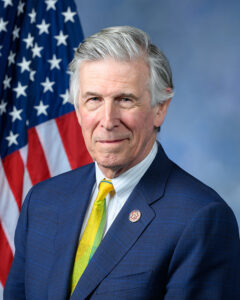
Given his stated concern for aging City infrastructure, new Councilman Arthur Agin was the only Council member to oppose the marginal cut in the real estate tax rate. All the others, all present at Monday’s work session, indicated their support for it, including Mayor Hardi, Vice Mayor Laura Downs, and Justine Underhill, Marybeth Connelly, David Snyder and Erin Flynn.